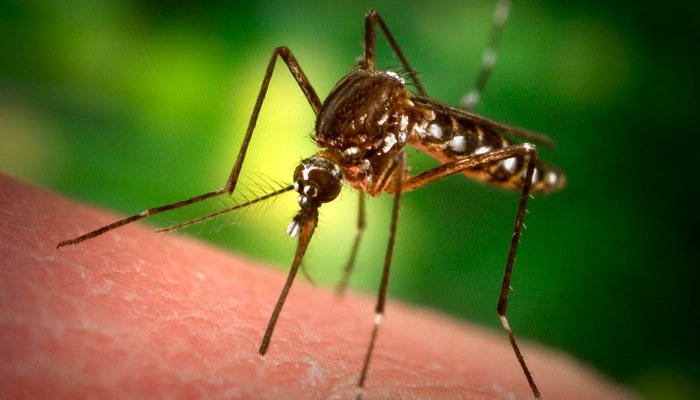
Mosquitoes capable of carrying and transmitting diseases like Dengue Fever, for example, now live in at least 28 states. As temperatures increase and rainfall patterns change - and summers become longer - these insects can remain active for longer seasons and in wider areas, greatly increasing the risk for people who live there.
The same is true on a global scale: increases in heat, precipitation, and humidity can allow tropical and subtropical insects to move from regions where infectious diseases thrive into new places.
This, coupled with increased international travel to and from all 50 states, means that the U.S. is increasingly at risk for becoming home to these new diseases.
Nearly 4,000 cases of imported and locally-transmitted Dengue Fever were reported in the U.S. between 1995 and 2005, and that number rises to 10,000 when cases in the Texas-Mexico border region are included. In Florida, 28 locally-transmitted cases were reported in a 2009-2010 outbreak, the first there in more than 40 years. Dengue Fever, also known as "Breakbone Fever", is characterized by high fever, headaches, bone and joint aches, and a rash. Recurrent infection can lead to bleeding, seizures, and death.
Lyme disease - transmitted primarily through bites from certain tick species - could expand throughout the United States and northward into Canada, as temperatures warm, allowing ticks to move into new regions.
West Nile virus, which first entered the U.S. in 1999, expanded rapidly westward across the country. By 2005, over 16,000 cases had been reported. Warmer temperatures, heavy rainfall and high humidity have reportedly increased the rate of human infection.
-See a doctor immediately if you feel ill after returning from international travel.
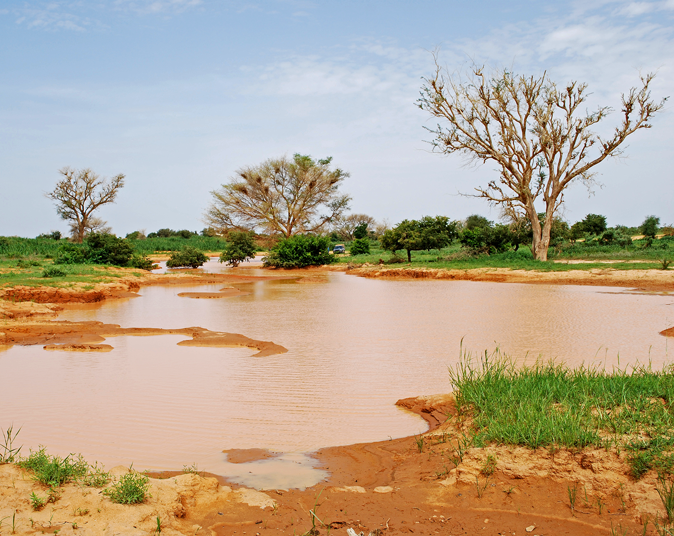
-Get rid of any stagnant water near your home where mosquitoes could breed (such as in empty flower pots, old tires, and empty containers).
-Avoid exposures to insect vectors like mosquitoes and ticks.
-If you are bitten by a tick, remove it carefully with tweezers, taking care to grab the head, save the tick for possible analysis, and consult with your doctor.
Communities across the nation must educate themselves about the risks from climate change and spreading infectious diseases to protect their most vulnerable residents.
-Check the Center for Disease Control's website for information on recent disease outbreaks and travel advice specific to the country you will be visiting.
-Sleep in hotels with window screens, when possible.
-Apply insect repellent with 20-30 percent DEET if you're outside in the early mornings and evenings.
-Wear loose, light-colored, long-sleeved shirts and long pants.